Packing for a safari is less about buying a load of specialist gear and more about a handful of decisions that actually matter: layers, luggage type, and a few items people forget until they’re standing in the bush wishing they’d brought them. Here’s what we tell our own guests.
Start with the luggage itself
If any part of your trip involves a light-aircraft transfer, and most multi-park itineraries do, you’ll be limited to soft-sided duffel bags, typically 15kg including hand luggage, no hard-shell suitcases. Small charter planes simply don’t have the cargo space for rigid bags. Check your specific weight limit with your operator before you pack, not after, since it varies by aircraft and route.
Clothing: layers over volume
Mornings on game drives are cold, often under 10°C at dawn even during the warmer months, and it can climb past 30°C by early afternoon. The trick isn’t packing more clothes, it’s packing layers you can add and shed through the day.
What actually works
Neutral colours, khaki, olive, brown, tan, are the standard advice and it’s genuinely practical, not just tradition: bright colours and white can spook animals or show dirt fast, and dark blue or black attracts tsetse flies in some regions. A fleece or light jacket for early mornings, a few breathable long-sleeve shirts, better sun protection than short sleeves and useful against insects at dusk, one warmer layer for evenings at altitude, and swimwear if your camp has a pool are the essentials. Laundry service is available at most camps, so you can pack for five or six days even on a two-week trip.
Footwear
Comfortable closed-toe shoes for game drives, you’re mostly seated in a vehicle, so this isn’t hiking-boot territory unless your itinerary includes a walking safari or gorilla trekking, in which case sturdy waterproof boots with good ankle support are genuinely necessary. Bring sandals or flip-flops for camp downtime.
The things people forget
A proper daypack
Somewhere for your camera, sunscreen, and water bottle that isn’t your main duffel, which will be stowed in the vehicle’s back or roof rack during drives.
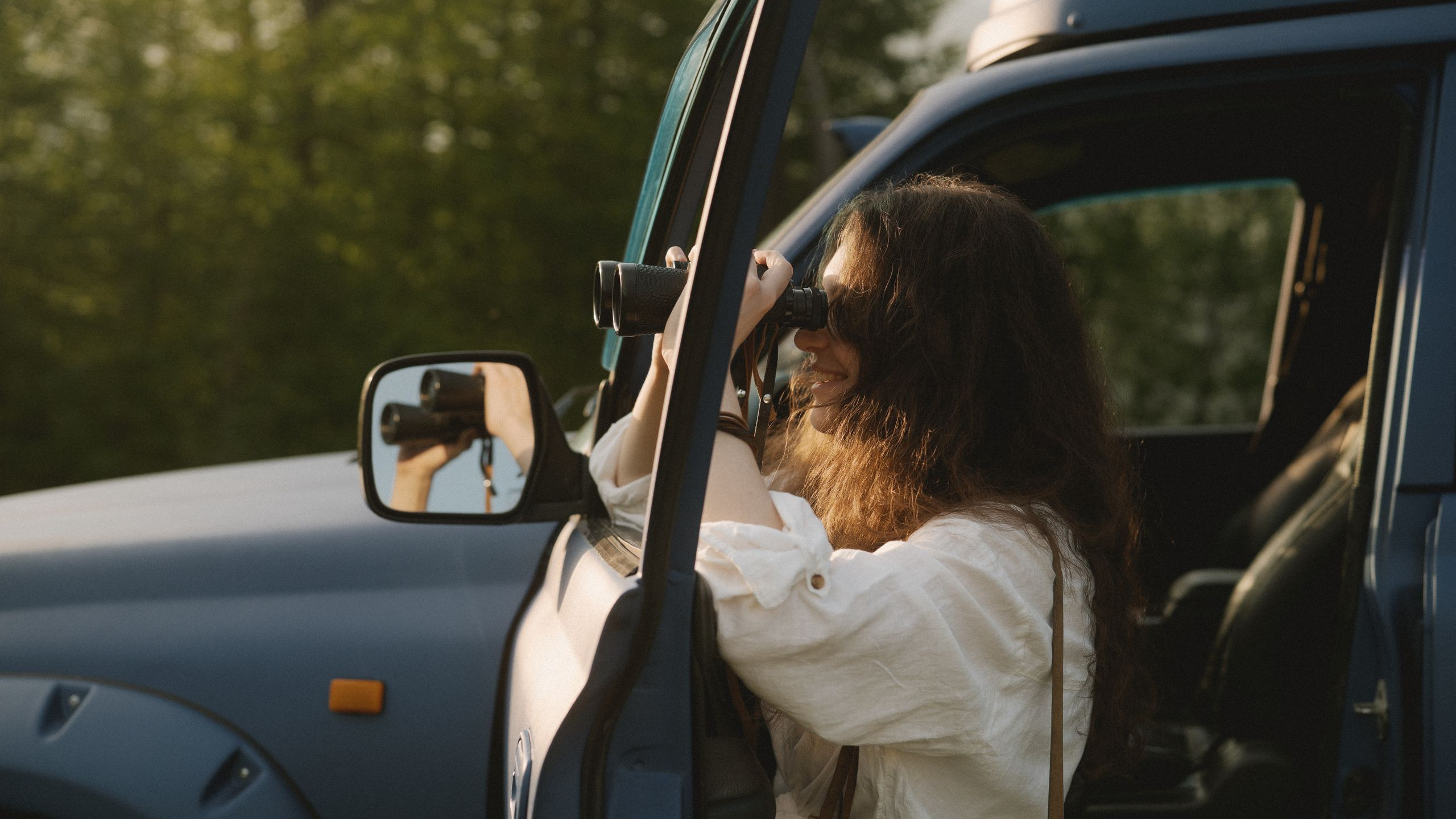
Binoculars
Most camps have a pair or two to share, but if birding or distant sightings matter to you, bring your own. A decent 8×42 pair makes a genuine difference to what you actually see.
A headlamp or small torch
Many camps run on generator power that shuts off overnight, and walking between your tent and the mess area after dark is far easier with your hands free.
A reusable water bottle
Most camps now provide filtered water refill stations rather than bottled water, partly for sustainability reasons. Check with your camp, but a bottle is a safe bring-along regardless.
Health and practical items
Broad-spectrum sunscreen and insect repellent, ideally with DEET, any personal medication in original packaging with a doctor’s note if it’s anything unusual, a basic first-aid kit for minor scrapes, and antimalarial tablets if your doctor has recommended them for your specific route. Requirements vary by region and season, so this is worth a proper travel-health consultation rather than guesswork.
Camera gear
A telephoto lens, 200mm or longer, makes a bigger difference to your photos than almost anything else you’ll pack. Bring more memory cards and batteries than you think you’ll need, charging opportunities can be limited at smaller camps, and a lens cloth for the inevitable dust.
What to leave at home
Camouflage clothing is restricted or illegal for civilians in several East African countries, skip it entirely. Leave heavy hardback books and anything you don’t genuinely need; weight limits are stricter than most travellers expect, and camps have far more charm than luggage.
If you’re unsure what your specific itinerary requires, ask us. Packing needs shift a fair bit between a Mara game-drive trip, a gorilla trek in Rwanda, and a coastal add-on, and we’ll give you a list built around your actual route.